
The Hidden Stress of Tenant Turnover: Why Some Florida Landlords Are Struggling With Vacancies
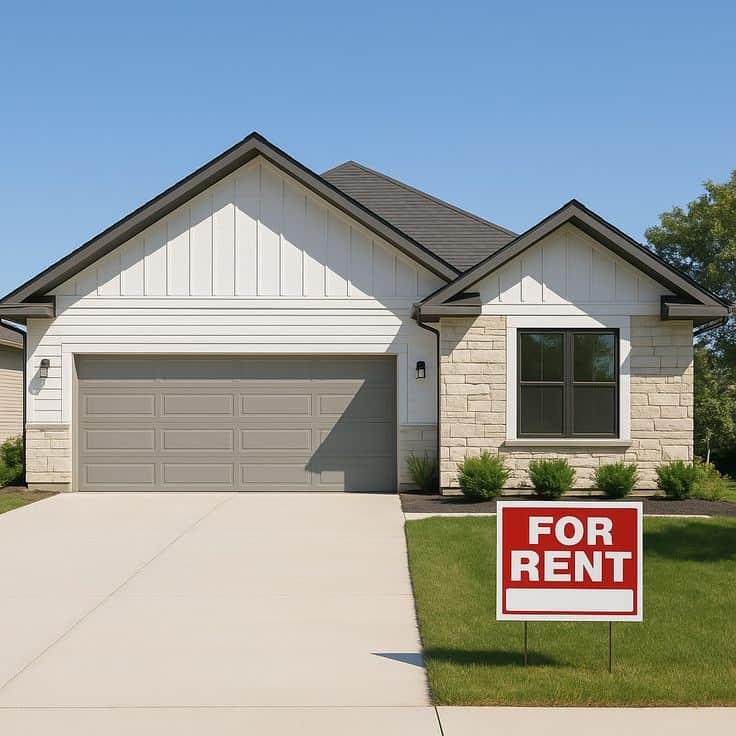
Owning rental property in Florida can be a profitable long-term investment, especially in areas experiencing steady population growth and housing demand. However, one of the biggest challenges landlords face is tenant turnover.
Every time a tenant moves out, the process of preparing the property, marketing it again, screening applicants, and securing a new tenant begins all over again. While turnover has always been part of property ownership, many Florida landlords are now noticing that vacancies are lasting longer than they did in the past. During the peak rental boom a few years ago, many landlords could fill vacant units within just a few days. Today, the market has become more competitive, and attracting qualified tenants often requires more time, effort, and strategy.
Understanding why turnover happens, and how to reduce vacancy time, can help landlords protect their rental income and create a more stable investment.
1. Vacancy Time Can Quickly Reduce Rental Income
One of the biggest financial risks of tenant turnover is vacancy time. Even a short vacancy period can significantly affect a property owner’s income. While the property sits empty, landlords must still cover ongoing expenses such as:
- Mortgage payments
- Property taxes
- Insurance premiums
- Utility costs
- Routine maintenance
If a property remains vacant for several weeks or months, the financial impact can quickly add up. Reducing vacancy time is one of the most important factors in maintaining consistent rental income.
2. Preparing the Property for a New Tenant Can Be Expensive
Before a new tenant moves in, the property often needs to be cleaned, repaired, and refreshed.
Common turnover expenses include:
- Professional cleaning services
- Repainting walls
- Repairing tenant damage
- Replacing worn fixtures
- Updating appliances or flooring
Even minor repairs can add up quickly, especially if the previous tenant did not maintain the property well. Regular inspections and proactive maintenance can help minimize these turnover costs over time.
3. Marketing a Rental Property Requires Time and Strategy
Finding the next tenant involves more than simply posting an online listing.
Landlords must often spend time:
- Creating detailed rental listings
- Taking high-quality photos
- Responding to inquiries
- Scheduling property showings
- Reviewing rental applications
In today’s competitive rental market, renters often compare multiple properties before making a decision. Listings that include professional photos, clear descriptions, and prompt communication tend to attract more qualified applicants. An effective marketing strategy can significantly reduce vacancy time.
4. Setting the Right Rental Price Is Critical
Pricing a rental property correctly is one of the most important factors in attracting tenants.
If the rent is set too high, the property may remain vacant while potential renters choose more competitively priced options. On the other hand, setting the rent too low can reduce the long-term profitability of the investment. Determining the right rental price typically requires analyzing:
- Local rental market trends
- Comparable properties in the area
- Property condition and features
- Neighborhood demand
A well-priced property attracts more interest and helps fill vacancies faster.
5. Affordability Is Affecting Tenant Demand
Although rent growth has slowed in some areas, housing costs remain high for many renters across Florida.
As affordability becomes a concern, tenants are becoming more selective about where they choose to live. With more rental options available, renters are comparing factors such as price, property condition, location, and amenities before committing to a lease. This shift means landlords must ensure their properties remain competitive in both pricing and overall tenant experience.
6. Tenant Satisfaction Plays a Major Role in Retention
One of the best ways to reduce turnover is to keep good tenants longer. Tenants are far more likely to renew their lease when they feel that their landlord is responsive and the property is well maintained. Positive tenant experiences often include:
- Quick responses to maintenance requests
- Clear communication
- Well-maintained living spaces
- Professional and respectful interactions
Strong tenant relationships can significantly reduce turnover and vacancy costs.
7. Managing Turnover Alone Can Become Overwhelming
For landlords managing properties on their own, handling tenant turnover can quickly become stressful.
The process of coordinating repairs, marketing the property, screening applicants, and managing lease agreements requires time, organization, and experience. For investors with multiple properties, these responsibilities can grow quickly and become difficult to manage without structured systems.
Many landlords eventually look for ways to simplify these tasks so they can focus more on growing their investment portfolio.
What Professional Property Managers Do Differently
Professional property management companies focus on creating systems that reduce vacancy time and improve tenant retention. These systems often include:
- Strategic rental marketing across multiple platforms
- Thorough tenant screening processes
- Accurate market-based rental pricing
- Efficient maintenance coordination
- Structured tenant communication systems
With these processes in place, landlords can experience more consistent occupancy and less day-to-day stress.
Key Takeaways for Florida Landlords
Tenant turnover is one of the biggest challenges in rental property ownership, but many of the associated costs can be reduced with the right approach.
Here are the most important lessons:
- Minimize vacancy time whenever possible
- Maintain the property regularly to reduce turnover costs
- Use strong marketing strategies to attract tenants
- Price the property according to the local market
- Focus on tenant satisfaction and retention
- Build systems that simplify the leasing process
When these fundamentals are handled well, rental properties can provide more stable and predictable income.
Final Thoughts
Tenant turnover is a natural part of rental property ownership, but it doesn’t have to be a constant source of stress. With the right strategies, landlords can reduce vacancies, attract reliable tenants, and maintain steady rental income over time.
At Enjoy Life Property Management, our mission is simple: make property ownership easier so landlords can focus on what matters most, growing their investment and enjoying life.
If you’re exploring property management in Florida and want to simplify the leasing process, our team is always happy to help you explore your options.